Key Steps in a Professional Septic System Installation
People searching for septic system installation are typically looking to ensure proper setup, and local contractors can guide them through key steps to achieve a reliable system.
Understanding the key steps in a professional septic system installation can help property owners make informed decisions about this important project. Whether building a new home, upgrading an existing system, or addressing issues with a current setup, knowing what the process entails offers practical benefits. Local contractors who specialize in septic system installations have the expertise to guide property owners through each stage, ensuring the system is properly designed, installed, and ready to serve its purpose effectively.
For property owners in the area, exploring this topic can reveal how experienced service providers handle the technical aspects of septic system installation, from site assessment to final setup. This knowledge can help in choosing the right local professionals to handle the job, providing peace of mind that the installation meets necessary standards and functions reliably. Keep reading to learn more about the essential steps involved and how local experts can support a successful septic system project.
- Septic system site evaluation - homeowners needing to determine suitable locations for installation can rely on local contractors to assess soil conditions and site constraints.
- Septic system design and planning - individuals planning a new installation benefit from service providers who can develop proper system layouts based on property size and usage needs.
- Septic system installation - property owners requiring a fully installed system can work with local pros to ensure proper setup according to key installation steps.
- Septic system inspection and testing - those experiencing issues or preparing for system use can have local contractors perform thorough inspections to confirm proper operation.
- Septic system replacement or upgrades - homeowners seeking to update or replace an existing system can depend on local service providers to handle the key steps in a professional replacement process.
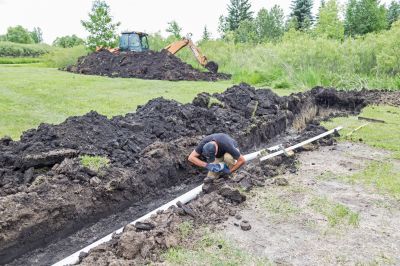
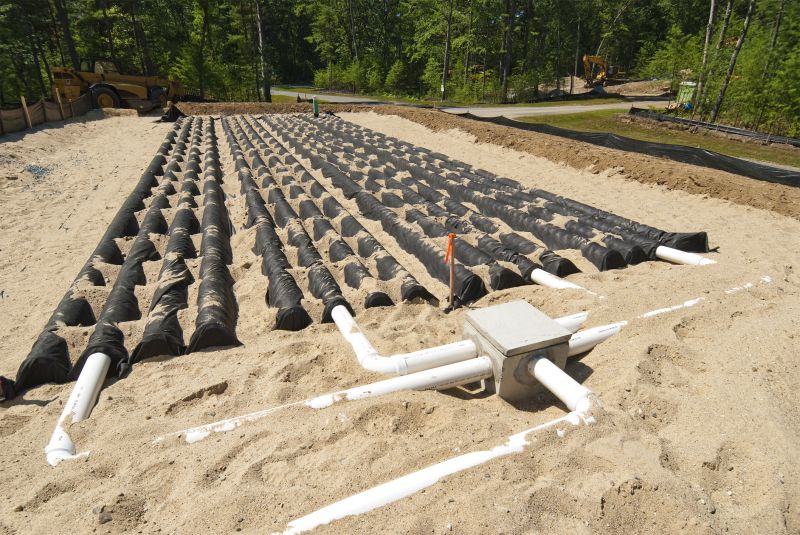
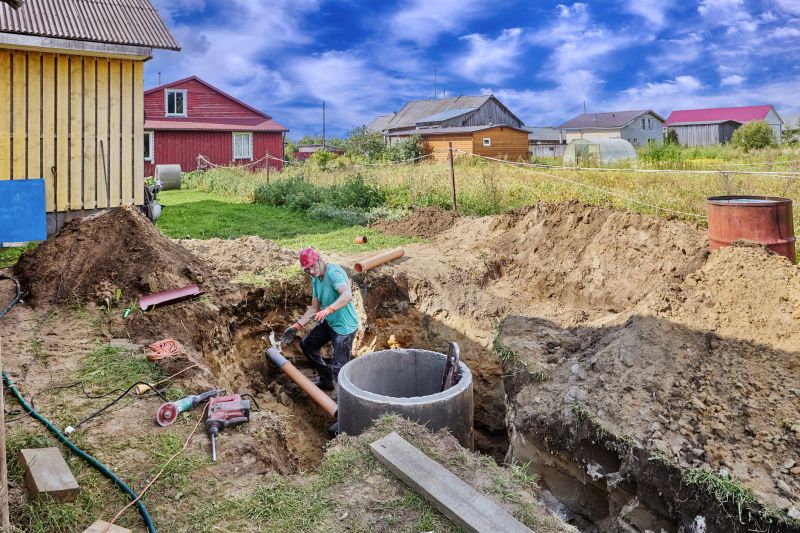
When searching for information about key steps in a professional septic system installation, homeowners are often looking to understand what the process entails and how it fits into larger property plans or repairs. This topic typically relates to properties that are not connected to municipal sewer lines, such as rural homes, farms, or properties in areas where sewer access is limited or unavailable. People may be planning to build a new home, replace an outdated system, or upgrade their current setup to meet new regulations or improve functionality. Understanding the installation process helps homeowners grasp what to expect, the importance of proper planning, and how local contractors can assist in ensuring the system is installed correctly and efficiently.
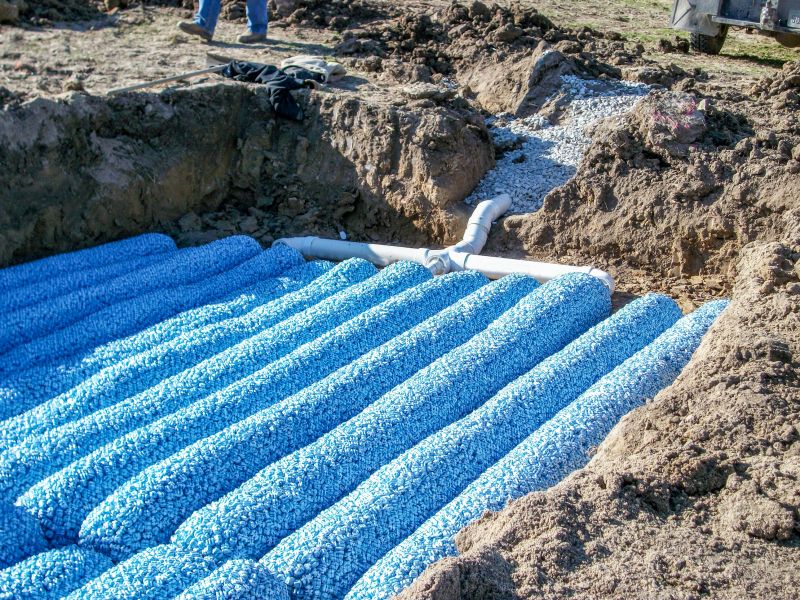
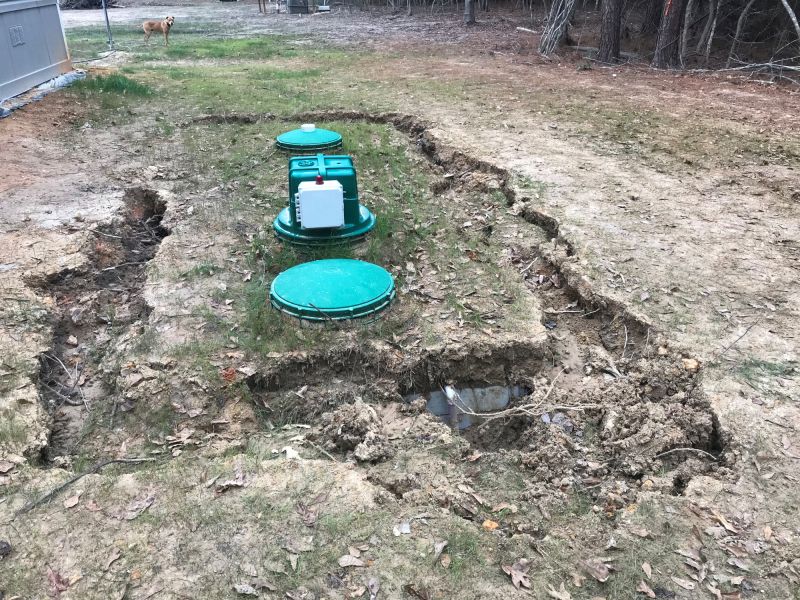
Septic system installation involves several critical steps that ensure the system functions properly and complies with local standards. It begins with site evaluation, where professionals assess soil conditions, property layout, and groundwater levels to determine the best location for the system. This is followed by designing a suitable system that matches the property’s needs, including choosing the right size and type of septic tank and drain field. Once the design is finalized, the installation process itself involves excavation, setting the tank, and establishing the drain field, all while adhering to proper procedures to prevent contamination and ensure longevity. Each of these steps requires expertise and attention to detail, which is why experienced local service providers are essential for a successful installation.
The types of properties that typically come up in discussions about septic system installation are diverse but generally include rural residences, vacation homes, and properties with large land areas. These properties often lack access to municipal sewer systems, making a private septic system a practical solution. Smaller properties, such as those with limited space, may require compact or alternative system designs, while larger properties might need more extensive drain fields or specialized setups. Additionally, properties with challenging soil conditions or high water tables may require customized approaches to ensure proper waste treatment and disposal. Local contractors familiar with the area’s regulations and soil characteristics are well-equipped to recommend and install systems that meet the specific needs of each property.
Understanding the key steps in a professional septic system installation helps homeowners see how local service providers fit into the project. These professionals handle everything from initial site assessments and system design to excavation and installation, ensuring the process follows best practices and local codes. Working with experienced contractors can help prevent common issues such as improper sizing, poor drainage, or system failures, which can lead to costly repairs or environmental concerns. Homeowners should look for local pros who understand the unique requirements of their property type and area, as this expertise ensures the system is installed correctly and functions reliably for years to come. Connecting with the right service providers is a vital step toward a successful septic system installation that meets the property’s needs and complies with all relevant standards.
Drain field installation - this project involves planning and excavating soil for proper distribution, similar to septic system installation planning and site prep.
Soil testing and site evaluation - assessing soil conditions ensures proper septic system function, requiring similar knowledge of site assessment as in septic system installation.
Septic tank replacement or upgrades - involves removing and installing tanks, which parallels the tank installation and connection steps in septic system setup.
Drainage system repairs - fixing existing drainage issues often requires excavation and soil management skills akin to septic system installation processes.
Utility trenching and piping - laying underground pipes for utilities shares tools and planning methods used in septic pipe installation.
Land grading and excavation - shaping the land for proper drainage and foundation work relates closely to site preparation for septic systems.
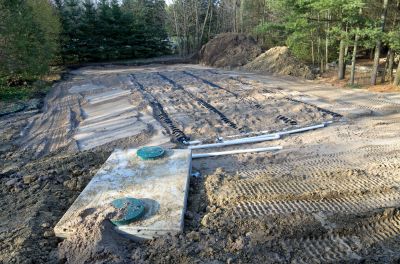
When comparing service providers for a septic system installation, it’s important to evaluate their experience with similar projects. Homeowners should seek out local contractors who have a proven track record of successfully completing septic system installations in properties comparable to their own. This experience can be a valuable indicator of familiarity with the key steps involved, including site assessment, system design, permitting, and installation procedures. Asking for references or examples of past work can help determine whether a contractor’s expertise aligns with the specific requirements of the project, ensuring the installation process proceeds smoothly and efficiently.
Clear, written expectations are essential when choosing a septic system installation service. Homeowners should look for local pros who provide detailed proposals that outline the scope of work, materials to be used, and the timeline for each stage of the project. Having these expectations documented helps prevent misunderstandings and ensures both parties are aligned on project goals. It also provides a basis for addressing any concerns or adjustments before work begins, fostering a smoother process and reducing potential delays or surprises during key steps in the installation.
Effective communication is a vital factor when selecting local contractors for septic system installation. Service providers who prioritize transparency and responsiveness can make the process more manageable by keeping homeowners informed about progress, challenges, and next steps. Good communication also facilitates quick clarification of questions or concerns, which can be particularly important during complex phases such as site evaluation or system testing. Choosing a contractor who demonstrates clear, ongoing communication helps ensure that the project adheres to expectations and that homeowners remain confident throughout each key step in the installation process.
Property owners often search for key steps in a professional septic system installation when they are planning practical projects around their homes and businesses. Local pros provide Septic System Installation services for everyday jobs and straightforward project options.
Understanding the key steps in a professional septic system installation can help property owners make informed decisions when upgrading or installing a new system. Homeowners often look up this topic to learn about the process involved, from site evaluation and soil testing to system design and proper installation techniques. Knowing what to expect can also clarify why choosing experienced local contractors is important for ensuring the system functions effectively and meets local regulations.
Many property owners seek out information on septic system installation services to find reliable local service providers who can handle each stage of the project. These professionals understand the local soil conditions, navigate permitting requirements, and follow best practices to install systems that are durable and efficient. Connecting with qualified local contractors can provide peace of mind, helping property owners get their septic systems installed correctly without unnecessary delays or issues.
What are the initial steps involved in a professional septic system installation? Local contractors typically start with site evaluation and soil testing to determine the best location and system type for the property.
How do professionals choose the right septic system design? They consider factors such as property size, soil conditions, and usage needs to select an appropriate system that ensures proper waste treatment.
What is the process of installing the septic tank and drain field? Experienced service providers excavate and position the tank and drain field components carefully, following proper installation standards to ensure functionality.
How do local pros handle permits and regulatory requirements? They assist in obtaining necessary permits and ensure installation complies with local codes and regulations.
What steps are taken to test and inspect the septic system after installation? Professionals conduct system testing and inspections to verify proper operation and adherence to safety standards before completing the project.
Site assessment and planning - property owners can work with local contractors to evaluate land conditions and choose the best location for the septic system.
Permitting and approvals - understanding local regulations helps ensure all necessary permits are obtained before installation begins.
System design and layout - collaborating with local pros to plan the system’s size and placement can prevent future issues and ensure proper function.
Installation and testing - hiring experienced service providers to install and inspect the system helps confirm it operates correctly and meets standards.
If you are thinking about key steps in a professional septic system installation for a property, this guide is meant to help you understand this topic, the typical project types, and how different options might fit your plans.
When you are ready, you can use the quote form on this page to share a few details about your project. From there, local pros can review the basics and follow up with options that match what you have in mind.